The Complete Guide to Skin Barrier Repair: Signs, Causes, and Fast Recovery
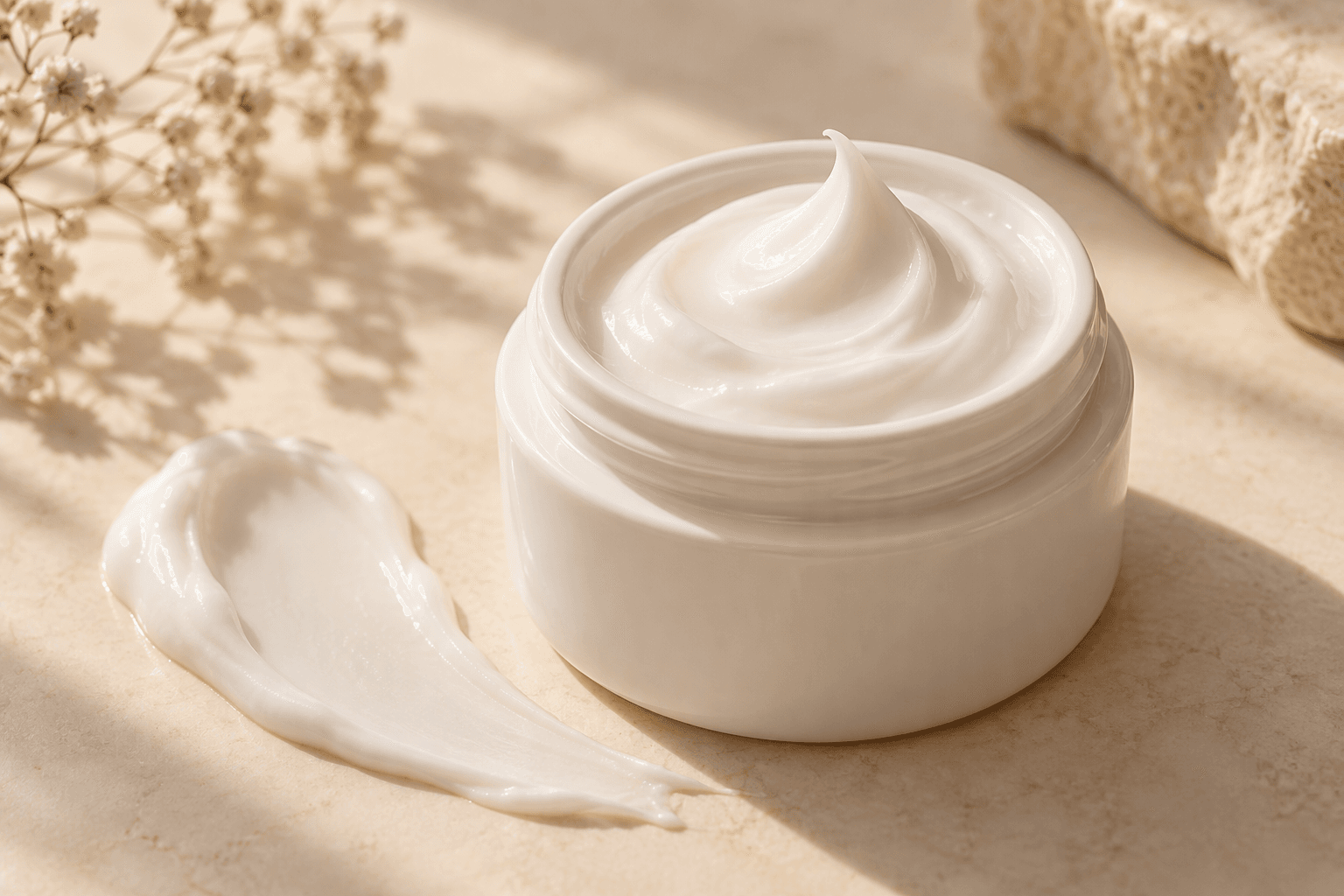
If every product in your routine suddenly stings, your skin feels tight no matter how much moisturizer you apply, and you are breaking out in places you never break out, you are not having a skin mystery. You are having a barrier problem.
This guide covers the full arc: what the barrier actually is, how to know yours is damaged, the recovery protocol that works, and how to rebuild without making the same mistake twice.
What the barrier actually is
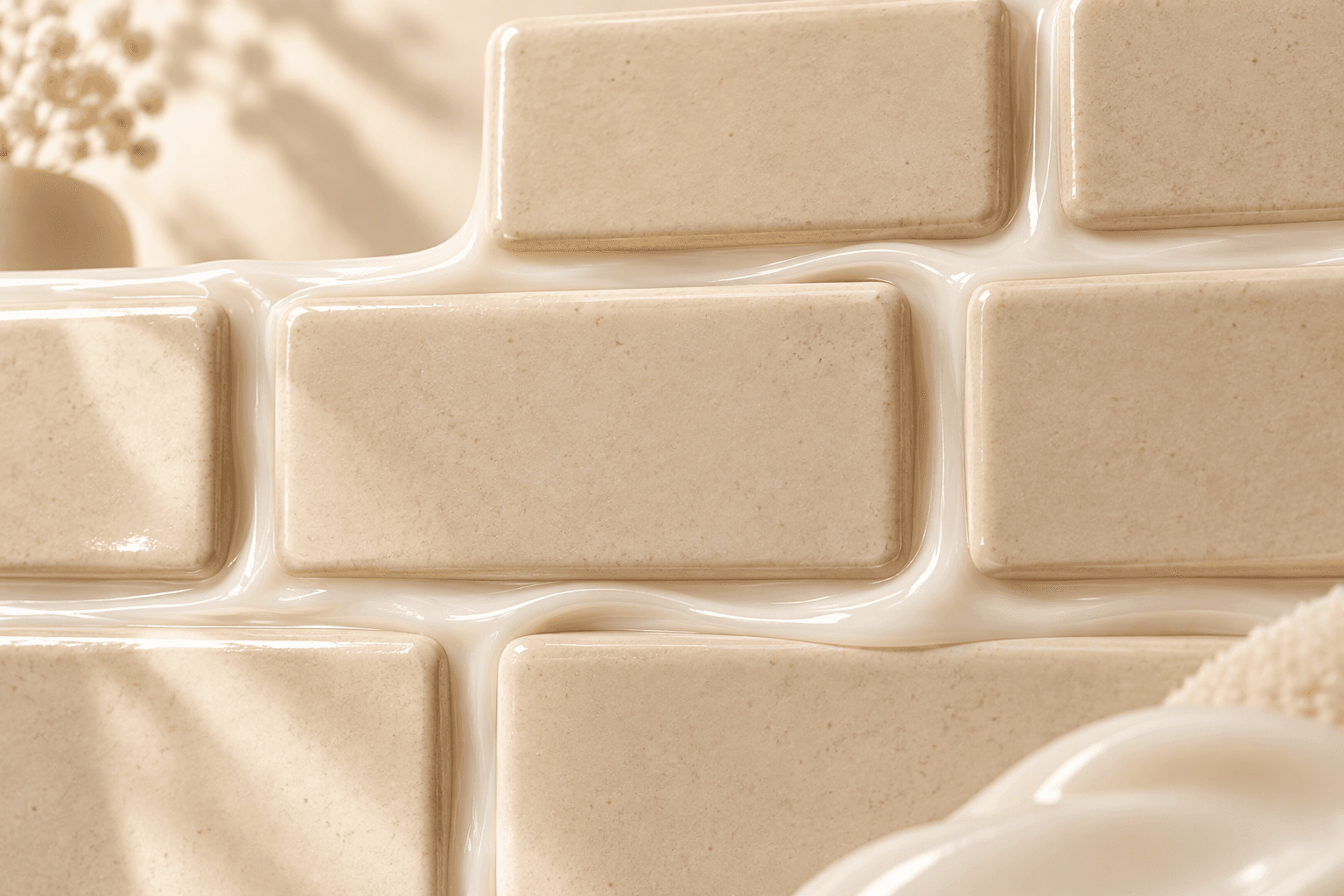
The outermost layer of your skin works like a brick wall. The bricks are dead skin cells. The mortar is a blend of lipids: ceramides, cholesterol, and fatty acids in a roughly equal ratio. That wall does two jobs: it keeps water in and keeps irritants out.
Barrier damage means gaps in the mortar. Water escapes faster than your skin can replace it (the technical term is TEWL, transepidermal water loss), and ingredients that used to sit politely on the surface now get in and irritate. That is why a barrier problem makes everything sting, even products you have used for years.
The 7 warning signs
One sign alone proves nothing. A cluster of three or more is your answer.
Tightness within minutes of washing that moisturizer barely touches. A shiny, waxy forehead that is not oily. Stinging or burning from bland products. Redness that lingers for hours. Flaking around the nose, mouth, and eyebrows. Breakouts in unusual places. And the big one: a routine that used to work suddenly feeling like sandpaper.
How barriers actually break
Barriers rarely break from one villain product. They break from stacking. An acid toner under retinol. A scrub after a peel. A stripping foaming cleanser twice a day before actives. Each step is defensible on its own. The sum is not.
Your skin keeps a running total of irritation and collects on the total, not on any single item. This is why the fix starts with subtraction, not with buying a repair serum.
How long does repair actually take?
The honest answer: two to four weeks for most mild-to-moderate damage, sometimes longer for skin that has been over-exfoliated for months. The surface layer turns over roughly every 28 days, and your barrier rebuilds on that clock, not on yours.
The first week feels worse before it feels better, because you are removing the actives that were masking the problem. Week two is when tightness usually starts easing. By week three or four, most people can tolerate their bland routine without any stinging at all.
The recovery protocol (boring on purpose)
Strip down to three steps. Morning: rinse or gentle cleanser, ceramide moisturizer, sunscreen. Night: gentle cleanser, ceramide moisturizer. That is the entire routine. No acids, no retinoids, no vitamin C, no scrubs, no fragrance if you can avoid it.
The moisturizer matters most. Look for ceramides, cholesterol, and fatty acids together, since the barrier rebuilds from all three. Panthenol and centella asiatica calm the redness while the lipids rebuild. Petrolatum as a final thin layer at night (slugging) seals everything in while your skin repairs underneath.
A word on hyaluronic acid during recovery: it is safe on a damaged barrier, but only if you seal it. In dry air, unsealed HA can pull water out of your skin instead of into it. Damp skin, HA, then moisturizer on top.
What to avoid during the repair weeks
Anything that tingles. Hot water. Washcloths and cleansing brushes. Fragrance and essential oils, including natural ones. New products of any kind, because every addition during recovery resets your ability to identify what helps.
This is also not the moment for a homemade experiment. Bland, proven, boring wins.
Reintroducing actives without restarting the fire
Once your skin tolerates the basic routine comfortably for a full week, bring actives back one at a time. One new active every two weeks, lowest strength first, two or three nights a week before daily use. If stinging returns, you moved too fast.
And this is the step everyone skips: before two actives meet on your face again, check the pair. The barrier you just spent a month rebuilding deserves a clash scan, not another guess. Run your lineup through RoutineClash and rebuild the schedule, not just the shelf.
Common questions
How do I know if my skin barrier is damaged?
Look for a cluster: tightness after washing, stinging from products that used to be fine, a waxy shine without oil, lingering redness, flaking, and breakouts in unusual places. Three or more together points to barrier damage.
How long does it take to repair a damaged skin barrier?
Most mild to moderate damage calms down in two to four weeks on a stripped-back routine of gentle cleanser, ceramide moisturizer, and daily sunscreen. Severe or long-running damage can take a full skin cycle longer.
Is slugging good for a damaged barrier?
Yes for most people. A thin layer of petrolatum at night seals in water while the barrier rebuilds. If you are very acne-prone, patch test first and keep the layer thin, or skip it on breakout zones.
Related guides
Wondering if your products clash?
Scan any two products and get the verdict, the reason, and the schedule that fixes it.
Scan for Conflicts