Why Your Sunscreen Pills: Fixing Skincare Layers, Texture Order, and SPF
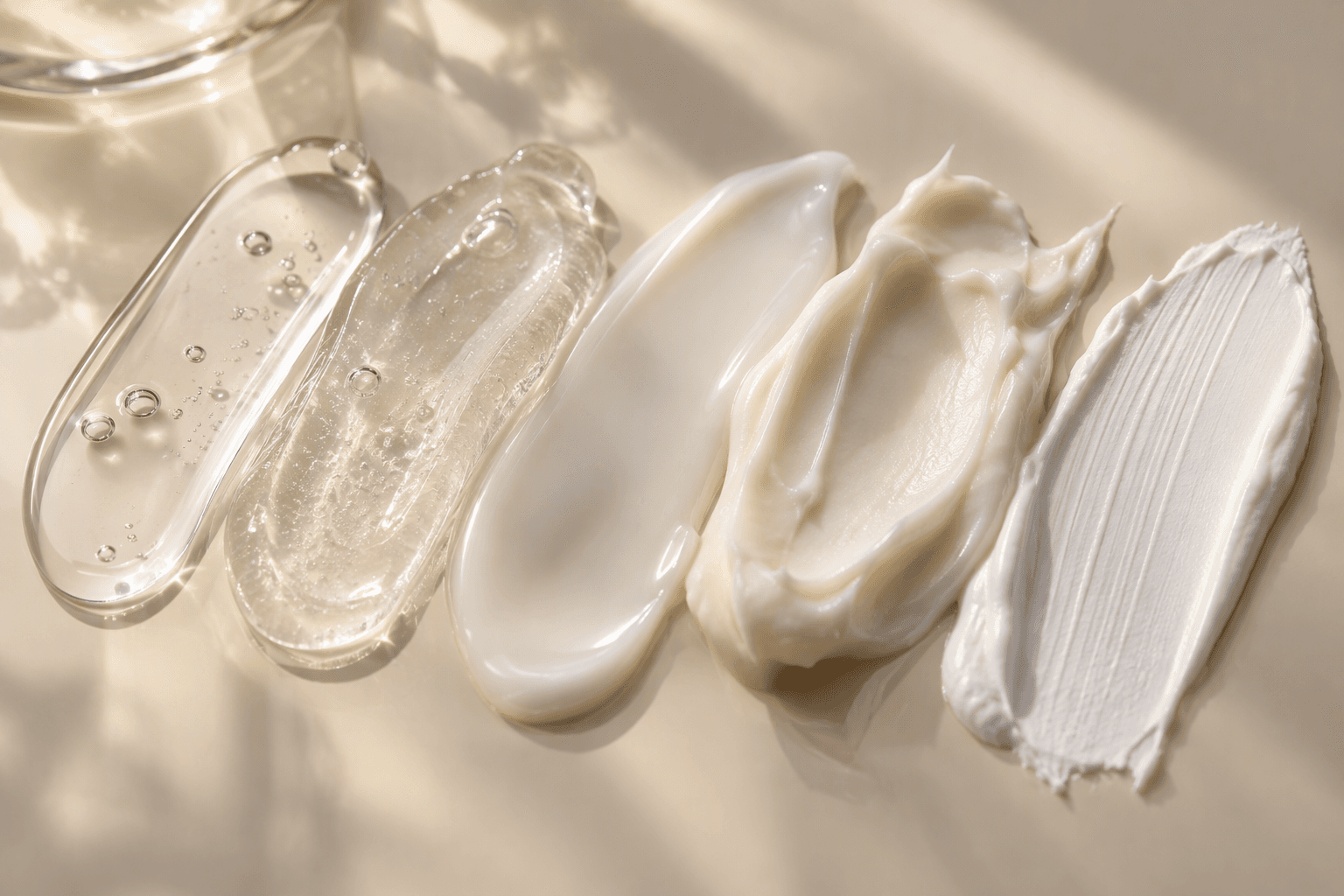
You apply sunscreen, rub it in, and your face starts producing little gray rolls. It looks like dead skin. It is not. It is your products balling up into eraser shavings, and it means your sunscreen is no longer evenly on your face. Pilling is a layering problem, and layering problems have mechanical fixes.
What pilling actually is
Most moisturizers and sunscreens contain film-formers and silicones, ingredients designed to dry down into a thin flexible layer. Rub a fresh layer over one that has not set, or rub two silicone-heavy layers against each other, and the films roll up instead of lying flat. Friction plus unset films equals pills.
The texture order rule
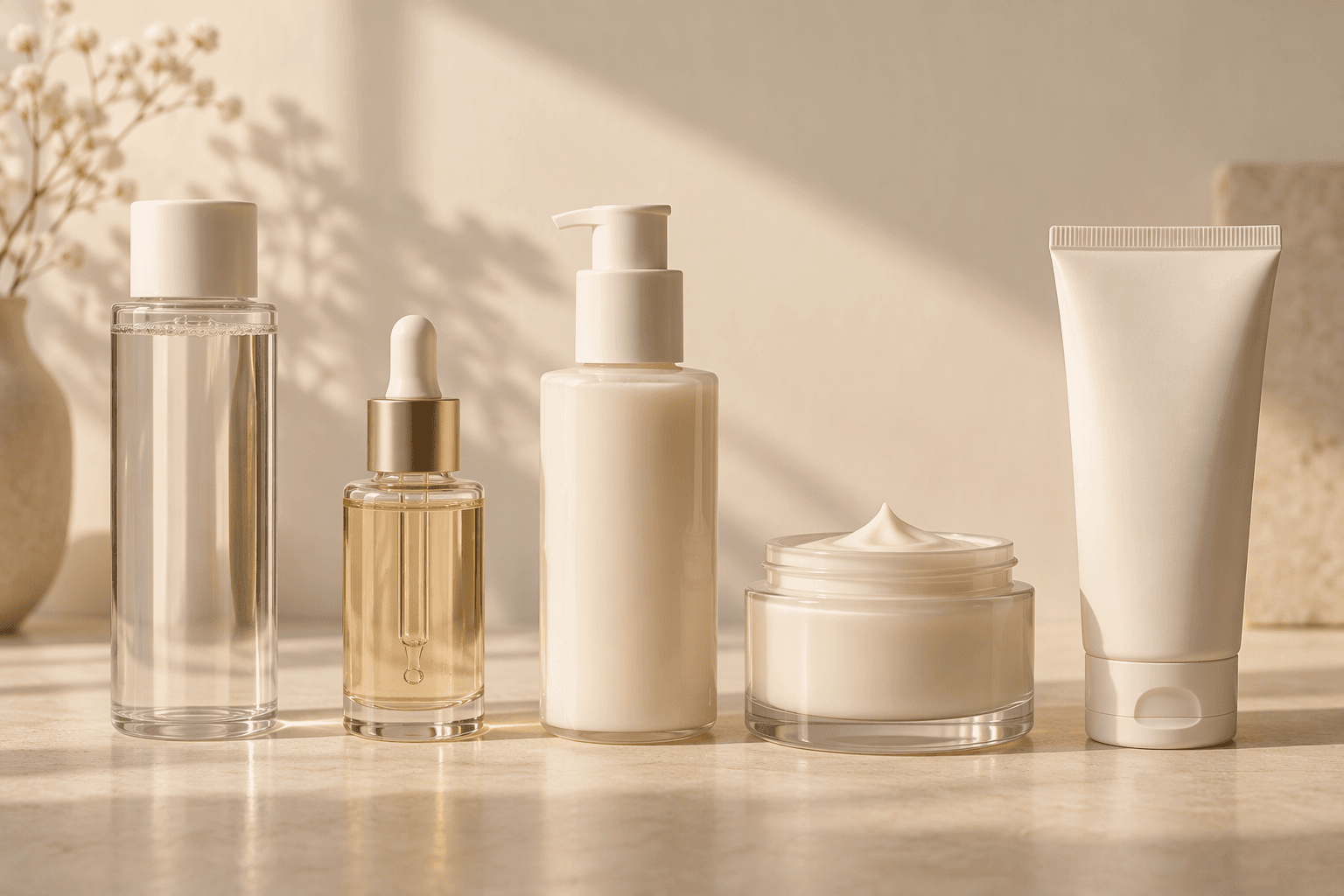
The classic rule holds: thinnest to thickest, water-based before oil-based, sunscreen always last in skincare and before makeup. Reversing the order, like a rich cream under a watery serum, traps the light layer where it cannot absorb and guarantees rolling. Every layer also needs a moment to set: sixty to ninety seconds between steps solves half of all pilling on its own.
The usual suspects
Silicone-heavy products are the main repeat offenders: blurring primers, velvety gel moisturizers, anything that feels instantly smooth. Layer two of them and add friction, and pilling is almost guaranteed. The other big cause is simply too much product. A thick layer of anything cannot set properly, so the excess has to go somewhere, and that somewhere is little rolls on your jawline.
Why sunscreen suffers most
Sunscreen is applied last, in the largest quantity, and rubbed the most, which makes it the layer where every earlier mistake surfaces. Mineral formulas are especially prone over still-damp moisturizer. Chemical formulas pill when they are fighting a silicone layer underneath. Either way, a pilling sunscreen is a coverage problem: the rolls are product that is no longer protecting you.
The fixes that work
First, less product per layer and more time between layers. Second, press and smooth instead of rubbing; sunscreen should be spread in one direction, not massaged. Third, simplify the morning stack, because every extra layer is another film waiting to roll. Fourth, give the final moisturizer a full two minutes before sunscreen touches it.
If two specific products pill no matter what you do, that is a formula clash, not a technique problem. Move one of them to your night routine, or scan the pair and swap the offender. Some combinations simply will never layer, and no amount of waiting fixes chemistry.
Common questions
Does pilling mean my sunscreen stopped working?
Partially, yes. The rolled-up bits are sunscreen that has lifted off your skin, leaving patchy coverage underneath. If your sunscreen pills every morning, treat it as a real protection gap and fix the layering or the pairing.
Should I exfoliate more to stop pilling?
No. Pilling is product rolling against product, not dead skin, and extra exfoliation will not help. Worse, adding acids to fix a cosmetic problem is exactly how routines drift into barrier damage.
Is pilling a sign of a bad product?
Usually not. Most pilling is about combinations and technique, not quality. A moisturizer that pills under one sunscreen may layer perfectly under another. Swap the pairing before you blame the product.
Related guides

Wondering if your products clash?
Scan any two products and get the verdict, the reason, and the schedule that fixes it.
Scan for Conflicts