How to Check Your Skincare Routine for Ingredient Conflicts Instantly
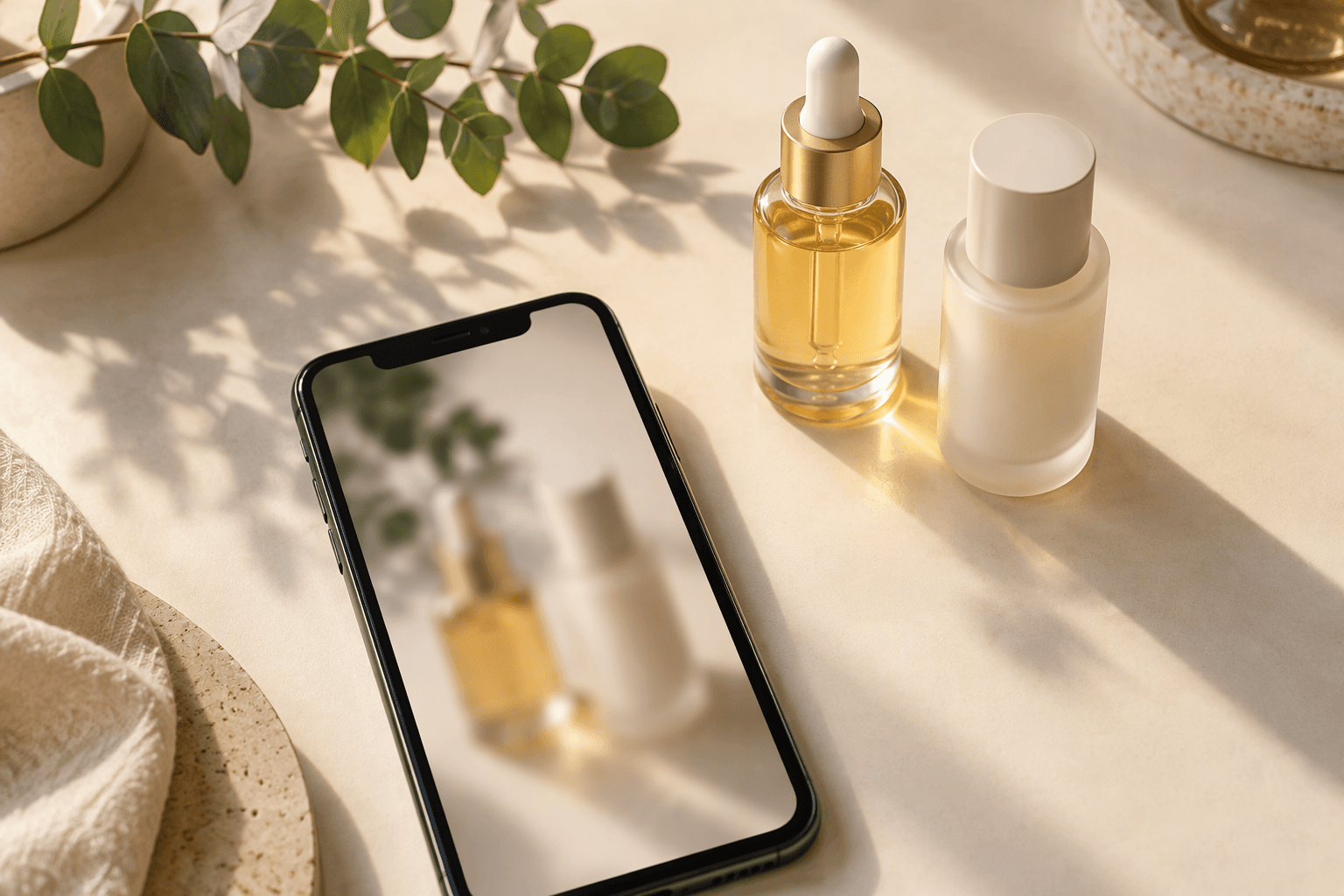
A typical routine now has five to ten products from five to ten different brands. Each one was formulated and tested in isolation. Nobody, not the brands, not the stores, checked what happens when your specific combination lands on the same face in the same hour. That check is on you, or on a tool that does it for you.
Why good products clash anyway
Brands design within their own line. The serum brand assumes its serum is your only active. The cleanser brand has never met your retinol. The conflicts that hurt people live in the gaps between products: the acid hiding in a gentle cleanser meeting the retinoid at night, the oxidizer layered over the antioxidant, the two exfoliants that each seemed mild on their own.
The old ways of checking, and why they fail
Reading ingredient lists sounds responsible until you try it: INCI lists run forty names long, one ingredient hides behind several aliases, and concentration, the thing that decides whether a clash matters, is never printed. Rules of thumb like 'never mix retinol and vitamin C' are decades out of date and miss the modern conflicts entirely. Trial and error works, but your barrier is the test subject, and it files complaints in redness and peeling.
The instant way: scan, snap, done
RoutineClash exists for exactly this gap. Snap a photo of a product or type its name, and the scanner reads the actual ingredient list, not the marketing claims. Add a second product and you get the verdict in seconds: safe together, use with caution, or do not layer, plus the reason in plain English and the schedule that fixes it. AM versus PM, alternate nights, buffer with moisturizer: the fix is almost always timing.
What a result actually looks like
Say you scan your glycolic toner against your retinol. The verdict comes back as a clash, the reason is explained, stacked exfoliation doubling barrier stress in one night, and the fix is a schedule: acid one night, retinol the next, recovery after. That is the pattern across nearly every conflict: the verdict, the mechanism, and the timing that lets both products keep their jobs.
Build your vanity once, check everything after
Scanned products save to your vanity, so your whole routine lives in one place. From then on, every new product gets checked against what you already own before it earns a spot. New serum on sale? Scan it against the shelf first. This is how routines stop drifting into accidental stacks.
Start with the two strongest actives you use. That pair carries the highest risk, and it takes under a minute to check.
Common questions
Is RoutineClash free to try?
Yes. You can scan your first products and see full clash verdicts free, including the reason and the schedule fix. The paid plan exists for people tracking a full routine and ongoing checks.
Does it work with any brand?
Yes. The checker reads ingredient lists, so it works on drugstore and luxury products alike, including obscure brands, as long as the ingredient list can be read from the label or found.
Can a routine checker replace a dermatologist?
No. RoutineClash checks cosmetic ingredient conflicts and scheduling, which is the everyday stuff dermatologists should not have to explain twice. Persistent rashes, suspected eczema, or prescription treatments are medical questions and belong with a doctor.
Related guides

Wondering if your products clash?
Scan any two products and get the verdict, the reason, and the schedule that fixes it.
Scan for Conflicts